Top Skills Every Student Should Learn Before Graduation
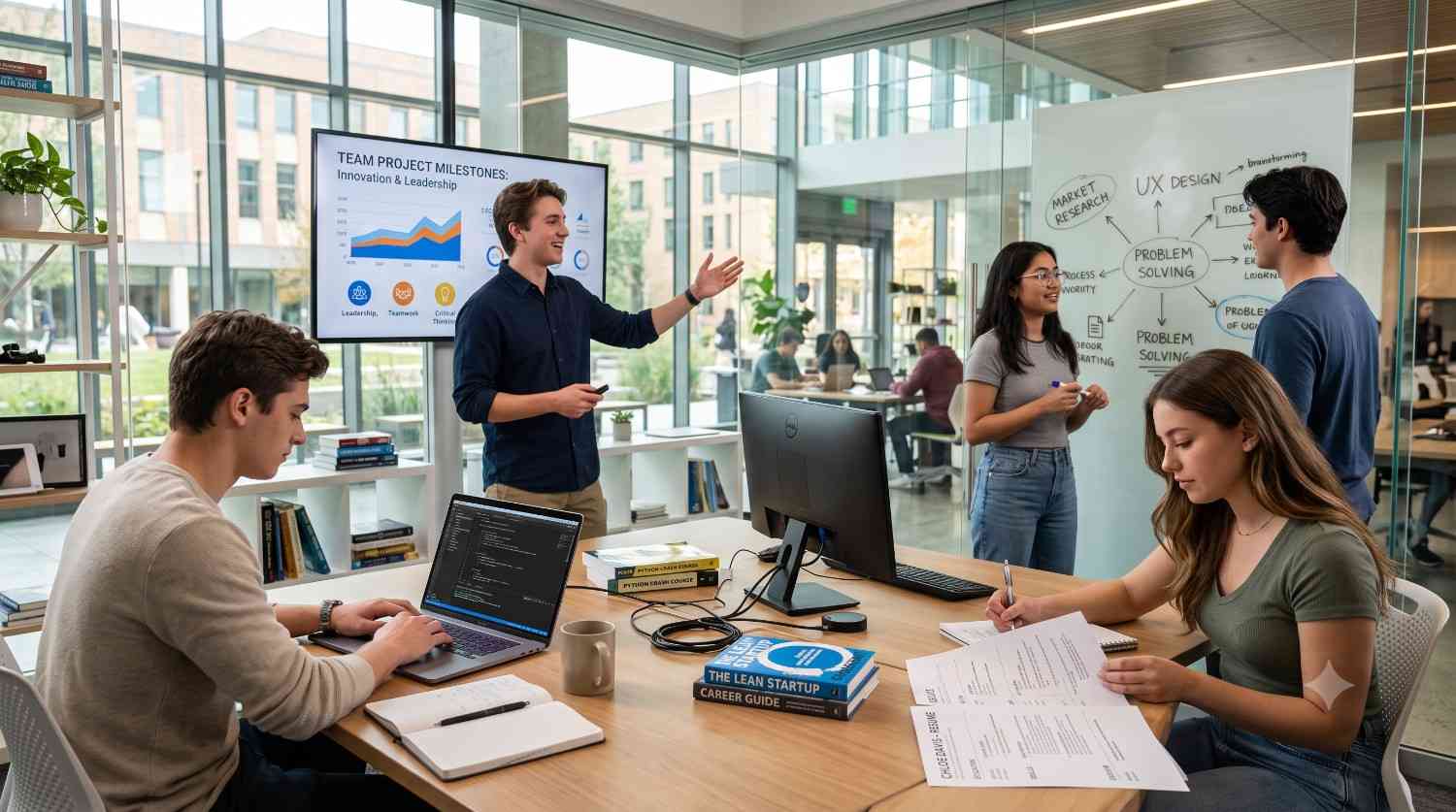
Graduating with a degree is an important achievement, but today's employers expect much more than academic knowledge. Companies look for candidates who possess practical skills, communication abilities, leadership qualities, and the confidence to solve real-world problems.
Students who start developing these essential skills before graduation have a significant advantage during campus placements, internships, and job interviews. These abilities not only increase employability but also help build a successful long-term career.
1. Communication Skills
Strong communication is one of the most valuable workplace skills. Students should learn how to communicate ideas clearly through speaking, writing, emails, presentations, and professional conversations.
- Public Speaking
- Email Writing
- Presentation Skills
- Business Communication
2. Problem-Solving Skills
Organizations hire people who can analyze situations and find practical solutions. Critical thinking and logical decision-making are highly valued across every industry.
3. Teamwork & Collaboration
Almost every job requires working with different teams. Students should learn how to collaborate, share ideas, respect opinions, and contribute effectively in group projects.
4. Leadership Skills
Leadership isn't only for managers. Taking initiative, motivating others, and accepting responsibility are qualities employers appreciate in fresh graduates.
5. Digital Skills
Modern workplaces depend on technology. Every student should be comfortable using productivity tools, online collaboration platforms, spreadsheets, presentations, AI tools, and industry-specific software.
6. Time Management
Managing deadlines, balancing priorities, and completing work efficiently demonstrate professionalism and reliability.
7. Resume Building
A professional resume increases the chances of getting shortlisted. Students should know how to showcase projects, internships, certifications, and achievements effectively.
8. Interview Preparation
Interview success depends on preparation. Students should practice HR interviews, technical interviews, aptitude questions, and confidence-building exercises.
9. Adaptability
Technology and industries continue changing rapidly. Being adaptable helps students learn new skills and remain competitive throughout their careers.
10. Networking Skills
Building professional relationships with mentors, professors, alumni, and industry experts creates valuable career opportunities and learning experiences.
How Career Mentorship Helps
Career mentors help students identify skill gaps, recommend learning resources, conduct mock interviews, improve resumes, and prepare for campus placements. Personalized guidance ensures students develop the right skills that employers actively seek.
Conclusion
Graduation marks the beginning of a professional journey. Students who invest time in developing communication, leadership, digital skills, teamwork, interview preparation, and problem-solving abilities become more confident and job-ready.
Educat connects students with experienced mentors who provide practical career guidance, skill development support, and industry insights to help graduates build successful careers.